
Table of Contents
- Safeguarding Policy, Policy Statement and Legislation Referenced
- Child Protection Procedures
- Recruitment Policy
- Continual Protection and Awareness
- Types of Abuse
- Vulnerable Adults
- Awareness or Likely Occurrence of Abuse
- Receiving and Documenting Disclosure
- Procedures for Responding to Concerns about Abuse/Neglect
- Investigating and Dealing with Allegations of Abuse
- Referral Process
- Protection of those Reporting Concerns
- Data Protection and Management of Confidential Information
- Incident Report Form
- Health & Safety Policy
- Student Code of Conduct / Behavior Policy
- Monitoring Student Attendance
- Visitor Policy
- E-Safety Policy
- Parent and Guardian Code of Conduct
- Personnel Code of Conduct
Venturous Education Ltd – Safeguarding Policy
Introduction:
Venturous Education Ltd Tutoring Centre is dedicated to providing a safe and nurturing
environment for all individuals participating in our tutoring programs. We priorities the welfare and protection of children and vulnerable individuals, and this policy outlines our commitment to preventing, identifying, and responding to any form of abuse, neglect, or exploitation.
Legal Framework:
Venturous Education Ltd Tutoring Centre adheres to all relevant laws and regulations
concerning safeguarding, including but not limited to:
- The Children Act 1989 and 2004
- The Education Act 2002
- The Safeguarding Vulnerable Groups Act 2006
- The Protection of Freedoms Act 2012
- The Education and Inspections Act 2006
- The Counterterrorism and Security Act 2015
- The Data Protection Act 2018 (GDPR)
Key Definitions:
- DBS: Disclosure and Barring Service
- DSL: Designated Safeguarding Lead
- LADO: Local Authority Designated Officer
- PVG: Protection of Vulnerable Groups
Types of Abuse:
Venturous Education Ltd acknowledges and addresses the following types of abuse:
- Bullying (including cyberbullying)
- Coercive control
- Financial abuse
- Harassment
- Physical abuse
- Sexual violence
- Sexual abuse
- Sexting
- Initiation/hazing type violence and rituals
Receiving and Documenting Disclosures:
Any member of staff who receives a disclosure of abuse or neglect from a child or vulnerable individual should follow the procedures outlined in our safeguarding policy. It is crucial to listen attentively, reassure the individual, and document the disclosure accurately and promptly while maintaining confidentiality.
Procedures for Responding to Concerns:
All concerns or suspicions of abuse or neglect must be reported to the DSL (Director / Senior Manager) immediately. The DSL will oversee the investigation process, liaise with external agencies if necessary, and ensure appropriate action is taken to safeguard the individual involved.
E-Safety Policy:
Venturous Education Ltd Tutoring Centre has an E-Safety Policy in place to promote safe and responsible use of technology among students. This policy includes measures to prevent cyberbullying, educate students on online safety, and monitor internet usage to protect against online risks.
Protecting Personal Data:
We are committed to protecting the personal data of all individuals involved in our programs. Personal data will be collected, processed, and stored in accordance with the GDPR and other relevant data protection laws. Access to personal data will be restricted to authorised personnel only.
References and Resources:
Venturous Education Ltd Tutoring Centre utilises reputable sources and resources to inform our safeguarding practices, including:
- Child Safeguarding Practice Review Panel
- Department for Education (DfE) guidance
- Home Office publications
- Independent Inquiry into Child Sexual Abuse (IICSA) reports
Child Protection Policy Statement for Venturous Education Ltd.
At Venturous Education Ltd, we are committed to providing a safe and nurturing environment for all children and young people who participate in our programs. We believe that every child has the right to be protected from harm and abuse, and we recognise our responsibility to safeguard their welfare.
Our Child Protection Policy is underpinned by the following principles:
- Child-Centered Approach: We priorities the well-being and safety of children above all else in our organisation’s activities and decision-making processes. Prevention: We are proactive in identifying and mitigating potential risks to children’s safety and well-being.
- Partnership with Parents and Guardians: We value open communication and collaboration with parents, guardians, and caregivers to ensure the safeguarding of children.
- Training and Awareness: We provide regular training and support to all staff and volunteers to ensure they are aware of their responsibilities in safeguarding children and equipped with the necessary knowledge and skills to fulfil them effectively.
- Confidentiality and Respect: We handle all concerns and disclosures regarding child protection with sensitivity, confidentiality, and respect for the individuals involved, in accordance with relevant legislation and guidelines.
- Accountability: We hold ourselves accountable for maintaining high standards of child protection and continually review and improve our policies and procedures to reflect best practices and comply with legal requirements.
In implementing our Child Protection Policy, we adhere to the following UK educational
legislations:
Children Act 1989 and 2004: Provides a legislative framework for the protection of
children in England and Wales, Emphasising the welfare of the child as paramount.
The Children Act 1989 guidance and regulations (publishing.service.gov.uk)
Education Act 2002: Sets out the duty of schools and local authorities to safeguard and promote the welfare of children and young people.
Education Act 2002 (legislation.gov.uk)
Safeguarding Vulnerable Groups Act 2006: Establishes a vetting and barring scheme to prevent unsuitable individuals from working with children and vulnerable adults.
Safeguarding Vulnerable Groups Act 2006 (legislation.gov.uk)
Working Together to Safeguard Children (2023): Provides statutory guidance for
organisations and agencies working with children to cooperate in safeguarding and promoting their welfare.
Working together to safeguard children 2023: statutory guidance
(publishing.service.gov.uk)
https://assets.publishing.service.gov.uk/media/65322ad1e839fd001486720d/2023_FO
R_PUBLICATION_-_Criminal_exploitation_of_children_young_people_and_vulnerable_adults_county_li
nes1.pdf
Keeping Children Safe in Education (2023): Sets out the legal duties and expectations on schools and colleges to safeguard and promote the welfare of children.
Keeping children safe in education 2023 (publishing.service.gov.uk)
The Education (Independent School Standards) Regulations 2014: Sets standards for independent schools, including requirements related to safeguarding and child
protection.
The Education (Independent School Standards) Regulations 2014 (legislation.gov.uk)
United Nations Convention on the Rights of the Child (UNCRC): Provides a
comprehensive framework for the rights of children, including protection from harm and abuse.
UN Convention on the Rights of the Child – UNICEF UK
The Teacher standard (2001 updated 2013-2021)
Teachers’ Standards guidance (publishing.service.gov.uk)
We are committed to upholding these legislations and working in partnership with relevant authorities to ensure the safety and well-being of all children involved in our activities.
Review: 04/04/2025
Director: Faye Tuncer
This policy is effective from 05/04/2024
- Venturous Education Ltd – Child Protection Procedures:
Recruitment Policy
Venturous Education Ltd is dedicated to safeguarding and advancing the welfare of children, young people, and vulnerable adults. It is imperative that all personnel within the organisation share this commitment. Therefore, the recruitment process must adhere to stringent guidelines to ensure the safety and well-being of all individuals involved.
- Training and Awareness:
- The Designated Safeguarding Lead (DSL) and all staff involved in recruitment must undergo Safer Recruitment Training to understand the nuances of safeguarding.
- Job Descriptions and Person Specifications:
- All job descriptions and person specifications will explicitly state the requirement for suitability to work with children and young people, emphasising the responsibility for safeguarding and promoting their welfare.
- Prior to posting job adverts, at least one person other than the DSL must review these documents to ensure clarity and appropriateness.
- Comprehensive Screening:
- Comprehensive information will be obtained from applicants and Scrutinised thoroughly. Any discrepancies or anomalies will be promptly investigated and resolved.
- A minimum of two independent professional and character references, including at least one from the applicant’s previous employer, will be obtained and assessed specifically in relation to working with children and young people.
- Interview Process:
- Face-to-face or virtual interviews will be conducted with all successful applicants before engagement. Questions regarding safeguarding will form a crucial part of the interview process.
- Verification and Checks:
- The identity, qualifications, and previous employment history of successful applicants will be verified before appointment.
- Right-to-work checks will be carried out for all successful applicants, along with any additional checks deemed necessary, especially for candidates with international experience.
- Disclosure and Barring Checks:
- A check of relevant mandatory lists and a disclosure (DBS/PVG or regional alternatives) will be conducted for all successful applicants before appointment. Applicants will be informed of this requirement in advance.
- Employment offers will be conditional upon the satisfactory completion of these checks and verifications.
- Preventative Measures:
- The recruitment process will be conducted irrespective of the candidate’s previous experience working with children or vulnerable adults.
- Ideally, positions should be filled prior to becoming a necessity to prevent any rushed decisions that may result in hiring unsuitable candidates.
- List Checks and Referrals:
- No individual named on specified lists related to child protection or vulnerable adults will be recruited to work with Venturous Education.
- Individuals appointed who are subsequently found to be listed on any of these lists
will be immediately removed from their position. - Any individual meeting the referral criteria under relevant Acts will be referred to the appropriate list.
- Continual Compliance:
- Venturous Education Ltd will ensure that all new Staff & Volunteers undergo disclosure checks, and periodic checks will be conducted during their tenure.
- A zero-tolerance policy is enforced towards employing or engaging personnel before DBS/PVG disclosure is obtained.
By adhering strictly to these procedures, Venturous Education Ltd aims to create a safe and secure environment for children, young people, and vulnerable adults within its provision.
Venturous Education acknowledges various forms of abuse as outlined below in our Venturous: Child Protection Policy issued in April 2024:
- Physical Abuse: This occurs when an adult or older child intentionally harms a child or fails to prevent such harm. It encompasses instances where a child is given alcohol, drugs, or other harmful substances.
- Neglect: Neglect arises when parents fail to meet a child’s basic needs for sustenance, shelter, medical care, or protection from harm. Signs of neglect may include withdrawal, aggression, or health issues.
- Sexual Abuse: This involves using a child for sexual gratification, which may include inappropriate touching, coercion into sexual acts, exposure to pornography, or exploitation through media. It can affect children of any gender or age.
- Emotional or Psychological Abuse: Continuous deprivation of love and affection can severely impact a child’s emotional and behavioral development. This form of abuse may include verbal insults, threats, criticism, and undue pressure to meet unrealistic
expectations. - Specific types of abuse: This category encompasses various forms of abuse such as children missing from education, exposure to domestic violence, discriminatory practices, exploitation, institutional abuse, radicalisation, financial or material abuse,
modern slavery, and so-called “honor-based” violence including forced marriages and harmful rituals.
In addition, staff should be aware of potential manifestations of safeguarding issues through peer-on-peer abuse, which may include bullying, coercive control, financial exploitation, harassment, physical violence, sexual violence, sexting, and initiation or hazing rituals.
Venturous Education also extends its protection policies to vulnerable adults, defining them as individuals aged 18 or older who may require community care services due to mental, physical, or learning difficulties, age, or illness, and who may be unable to protect themselves from harm or exploitation.
Recognising signs of abuse is crucial, and they may manifest through various indicators such as self-harm, aggressive behavior, developmental regression, withdrawal, trust issues, or physical symptoms.
In the event of a disclosure, it’s essential to listen attentively, reassure the individual, avoid making assumptions, and refrain from interrogating them. Instead, document the disclosure meticulously and inform the appropriate authorities without making promises of confidentiality.
Venturous Education is committed to maintaining a safe environment for all individuals and takes any allegations or signs of abuse seriously, adhering to established protocols for reporting and handling such incidents.
Venturous Education Child Protection Policy – April 2024
Guidelines for Responding to Concerns about Abuse/Neglect:
- Interviewing and Questioning:
- Avoid interviewing or interrogating the individual, as this is the responsibility of social services or the police.
- Refrain from asking leading questions that may influence the individual’s responses.
- Inform the individual that information will be passed on to someone who can provide assistance without specifying whom to avoid alarming them.
- Do not promise confidentiality before or after disclosure
- Keep detailed notes of the incident, including date, time, location, statements made, and actions taken, preferably away from the individual to prevent intimidation.
- Incident Reporting:
- Designated Safeguarding Leads (DSLs) at each center are responsible for implementing and managing the policy.
- Reporting procedures vary depending on the role of the person making the report.
- If concerns involve the DSL, report to the Director or Management.
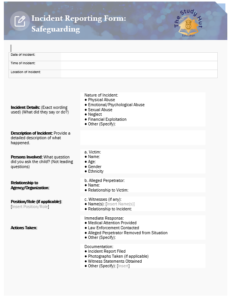
- Complete an Incident Form and submit it to the designated DSL.
- Upon receipt, the DSL will review the form, potentially seeking clarification from the originator.
- The DSL will then contact appropriate authorities to formally report the incident or suspicions.
- Immediate Action Protocol:
- If the DSL or Director is unavailable and a child is in immediate danger, contact authorities immediately.
- Subsequently inform the DSL or senior management as soon as practicable for further action and discussion.
- Reporting for DSLs:
- DSLs must promptly inform relevant authorities of suspected abuse or received allegations.
- Ensure completion of an Incident Form, accessible in safeguarding policies, for relaying information to authorities.
- Safeguarding Concern Reporting Flow:
- Safeguarding incidents must be reported to the Centre DSL promptly.
- If the DSL is unavailable, report to the deputy for immediate action.
- DSLs or Safeguarding Lead Officers must send written reports to Children’s Social Care/Police within 24 hours and consider support or advice for those involved.
- Review and Conclusion:
- Follow the consultation steps outlined in the policy, providing ongoing written updates and a final conclusion.
- Conduct a review of the processes followed, including any additional steps taken.
- Handling Allegations of Abuse:
- Allegations against all personnel are investigated according to respective procedures.
- All cases are referred to appropriate authorities.
- Decisions regarding child protection issues will be made with sensitivity and care to avoid damaging individuals’ reputations or careers.
- Referral Process:
- Names of individuals involved in misconduct harming or risking harm to a child will be referred to government officials for inclusion in relevant lists.
- Referral information must include comprehensive details about the alleged misconduct and actions taken.
- Protection of Reporters:
- The law protects reporters of care and protection concerns from retaliation, provided the report was not malicious or vexatious.
- Data Protection and Confidentiality:
- Confidential information is managed in accordance with data protection legislation.
- Children and young people have a right to confidentiality unless at risk of abuse, exploitation, or harm.
By adhering to these procedures, Venturous Education ensures a systematic and sensitive approach to addressing concerns about abuse and neglect within its organisation.
-
-
Venturous Education Ltd – Health and Safety Policy
-
-
- Introduction At Venturous Education, we are committed to providing a safe and healthy environment for all students, staff, and visitors. This Health and Safety Policy outlines our commitment to maintaining high standards of health and safety practices throughout our premises. This policy applies to all individuals associated with Venturous Education, including but not limited to students, staff, contractors, and visitors.
-
- Responsibilities
-
- Management Responsibilities:
-
- The management team at Venturous Education is responsible for providing adequate resources and support to ensure the effective implementation of health and safety measures.
-
- They will regularly review and update this policy to reflect changes in legislation, best practices, and organisational needs.
-
- They will appoint competent individuals to oversee health and safety matters and provide necessary training and guidance.
-
- Management Responsibilities:
-
- Staff Responsibilities:
-
- All staff members are responsible for adhering to health and safety procedures and guidelines relevant to their roles.
-
- They must report any hazards, incidents, or near misses promptly to their line manager or designated health and safety representative.
-
- Staff members are encouraged to actively participate in health and safety training and contribute to the maintenance of a safe environment.
-
- Staff Responsibilities:
-
- Student Responsibilities:
-
- Students are expected to familiarise themselves with the health and safety procedures applicable to their activities within the education center.
-
- They must report any hazards or concerns to their respective teachers or designated staff members.
-
- Students should follow instructions provided by staff regarding health and safety measures, including the proper use of equipment and facilities.
-
- Student Responsibilities:
-
- Visitor Responsibilities:
-
- Visitors must comply with all health and safety regulations and instructions provided by Venturous Education staff during their visit.
-
- They should report any hazards or incidents to a staff member immediately.
-
- Visitors are required to respect safety signage, use designated pathways, and refrain from engaging in any behavior that may compromise their safety or the safety of others.
-
- Visitor Responsibilities:
-
- Responsibilities
-
- Risk Assessment and Control Measures
-
- Regular risk assessments will be conducted across all areas of the education center to identify potential hazards and implement appropriate control measures.
-
- Control measures may include but are not limited to: providing personal protective equipment (PPE), installing safety signage, implementing safe working procedures, and conducting regular equipment maintenance checks.
-
- Staff members will receive training on risk assessment procedures and will be encouraged to actively participate in identifying and mitigating risks within their areas of responsibility.
-
- Risk Assessment and Control Measures
-
- Emergency Procedures
-
- Venturous Education will maintain emergency response plans and procedures to effectively manage incidents such as fires, medical emergencies, and evacuations.
-
- Staff members will receive training on emergency procedures, including evacuation routes, assembly points, and the operation of emergency equipment such as fire extinguishers and first aid kits.
-
- Regular drills and exercises will be conducted to test the effectiveness of emergency procedures and familiarise all occupants with their roles and responsibilities during an emergency.
-
- Emergency Procedures
-
- Health and Wellbeing
-
- Venturous Education is committed to promoting the health and wellbeing of all individuals associated with the organisation.
-
- Measures will be implemented to support physical and mental health, including access to ergonomic workstations, counselling services, and health promotion initiatives.
-
- Staff members will be encouraged to maintain a healthy work-life balance, and support will be provided to address any concerns related to stress or workload.
-
- Health and Wellbeing
-
- Compliance and Review
-
- This Health and Safety Policy will be reviewed annually, or more frequently if required, to ensure its effectiveness and compliance with relevant legislation and standards.
-
- Any updates or amendments to the policy will be communicated to all associates in a timely manner.
-
- Non-compliance with health and safety procedures may result in disciplinary action in accordance with Venturous Education’s disciplinary policy.
-
- Compliance and Review
-
- Conclusion At Venturous Education, we recognise that health and safety are integral to our operations and are committed to maintaining a culture of safety awareness and continuous improvement. By working together and adhering to the principles outlined in this policy, we can create a safe and healthy environment for everyone within our education center.
Review: 04/04/2025
-
Venturous Education Ltd – Student Code of Conduct / Behavior Policy
Introduction:
Venturous education aims to provide children and young people with opportunities for learning and personal development through adventurous activities. This behavior policy is designed to ensure a safe, respectful, and inclusive environment conducive to learning and growth. It outlines expected behaviors, consequences for misconduct, and procedures for addressing behavioral issues.
Core Values:
- Safety: The safety and well-being of all participants are paramount.
- Respect: Respect for oneself, others, and the environment is fundamental.
- Inclusivity: Every individual, regardless of background or ability, should feel included and valued.
- Responsibility: Participants are expected to take responsibility for their actions and choices.
- Growth: Venturous education aims to foster personal growth, resilience, and self-confidence
Expected Behaviors:
- Follow instructions from instructors and staff promptly and respectfully.
- Respect the rights and feelings of others, including diversity of backgrounds, cultures, and abilities.
- Take responsibility for personal safety and well-being by adhering to safety guidelines and procedures.
- Respect the environment by minimising impact, avoiding littering, and conserving natural resources.
- Communicate openly and honestly with instructors and peers.
- Support and encourage fellow participants, fostering a positive and inclusive
atmosphere - Actively engage in learning opportunities, demonstrating curiosity and willingness to try new activities.
Unacceptable Behaviors:
- Bullying, harassment, or discrimination in any form.
- Endangering oneself or others through reckless or intentionally harmful behavior.
- Disregarding safety guidelines or instructions from instructors.
- Damage to property or the environment.
- Disruptive behavior that interferes with the learning or enjoyment of others.
- Theft or dishonesty.
- Use of drugs, alcohol, or tobacco products.
Consequences:
- Minor infractions may result in verbal warnings or temporary removal from the activity.
- Continued misconduct or more serious offences may lead to suspension from the program and/or involvement of parents or guardians.
- In cases of severe misconduct or endangerment, immediate removal from the activity may be necessary, with further consequences determined by program leaders and organisational policies.
Procedures for Addressing Behavioral Issues:
- Instructors will address minor behavioral issues promptly and directly with the individual(s) involved, focusing on education and resolution.
- For more serious or repeated offences, instructors will involve program leaders and parents or guardians to develop a plan for addressing the behavior and preventing future incidents.
- All disciplinary actions will be documented and communicated transparently with relevant parties.
Review and Evaluation:
This behavior policy will be reviewed regularly to ensure its effectiveness in promoting a positive and safe learning environment. Feedback from participants, parents, instructors, and associates will be considered in the evaluation process, with updates made as necessary to reflect evolving needs and best practices in venturous education.
Review: 04/04/2025
Director: Faye Tuncer
This policy is effective from 05/04/2024
-
Venturous Education Ltd – Student Attendance Monitoring
Monitoring student attendance is a critical aspect of our educational system, and we have established robust procedures to ensure students attend their classes regularly. Our methods for monitoring attendance involve several steps:
- Student Check-In: Students are required to check-in upon arrival for classes, workshops, or other scheduled activities. This ensures accurate attendance records are maintained. This is manually logged on to a register the into data spreadsheet data on student attendance, record allowing us to promptly identify any absences.
- Regular Reporting: Attendance records are regularly reviewed and analysed to identify trends and patterns. We generate attendance reports to monitor individual student attendance as well as overall attendance rates.
- Communication Channels: Procedures are in place to report instances of nonattendance or cancellations to the commissioning agency. This may involve notifying designated personnel within the agency through established communication channels such as email, phone calls, or online portals.
- Follow-up Protocols: In cases of repeated non-attendance or unexcused absences, we have protocols in place to follow up with students to address any underlying issues or concerns. This may involve contacting students directly or coordinating with relevant support services within the institution.
- Intervention Strategies: For students who demonstrate chronic absenteeism or difficulties attending classes regularly, we implement intervention strategies tailored to their individual needs. This may include providing additional support, helping improve attendance and engagement.
- Documentation and Accountability: Non-attendance is meticulously tracked and documented to maintain accountability and transparency. Detailed records of attendance, including dates, times, and reasons for absences, are maintained for auditing purposes and to ensure compliance with regulatory requirements.
Overall, our comprehensive procedures for monitoring student attendance are designed to promote accountability, enhance student engagement, and support academic success. By closely monitoring attendance and implementing effective strategies for intervention, we strive to create a supportive learning environment where students are motivated to participate actively in their educational journey.
Venturous Education Ltd – Visitor Policy
Introduction:
This guidance aims to ensure the safety of children and adults at Venturous Education Centre by effectively managing visitors. The responsibility for visitor management lies with the Centre Director.
Types of Visitors:
Venturous Education welcomes various types of visitors, including:
- Visitors associated with building or equipment maintenance (e.g., builders, contractors, maintenance staff, cleaners)
- Other legitimate visitors such as parents, volunteers, students, neighbours, delivery personnel, and members of the public interested in tuition or local issues.
Visits must be planned to ensure smooth operations while safeguarding children, maintaining the Centre’s reputation, and addressing visitor needs through appropriate risk assessments.
The Centre Director, duty manager, and staff should be informed of visits in advance when necessary.
Guidance and Responsibilities:
The Centre Director or duty manager is responsible for implementing this guidance and managing visitors. All staff members must understand the day-to-day procedures and ensure visitors are welcomed and managed safely. This guidance should be integrated into the establishment’s child protection and health and safety policies.
Procedures for ALL Visitors:
- Preferably, visits should be pre-arranged.
- All visitors must check-in with the Receptionist/Duty Manager.
- Visitors should state the purpose of their visit and provide formal identification.
- Visitors staying during tuition sessions must sign the visitors’ record book.
- Large groups of visitors may require a separate register.
- Visitors should wait in the reception area until escorted by a staff member.
- Visitors must be accompanied by a staff member, ensuring they are never alone with students/children unless necessary, and appropriate checks have been conducted.
- Data security measures must be adhered to during the visit.
- Upon departure, visitors must sign out and leave the premises safely.
Special Categories of Visitors:
- Contractors’ supervision levels should be determined by the Centre Director or duty manager, with appropriate identity verification and access agreements.
- Trainee teachers’ need for DBS checks depends on their contact with children.
- Parents and relatives may visit without DBS checks, with professional judgement regarding supervision.
- Ofsted staff undergo DBS checks.
Implications of Childcare (Disqualification) Regulations 2009:
- Certain visitor categories are exempt from childcare disqualification legislation, while others are subject to it, as outlined in statutory guidance.
- Raising Awareness of Visitor Safety with Children:
Students should be reminded to stay with staff members during visits and follow relevant risk assessment instructions.
Concerns Related to a Visitor:
Students, staff, and parents should report concerns to tutors, who will escalate them to the designated safeguarding person. Safeguarding concerns regarding visitors should be promptly brought to the Centre Director or duty manager’s attention.
Unknown, Uninvited, or Malicious Visitors:
Unwelcome visitors must be politely challenged, escorted to sign in, and asked to leave if they fail to comply. In extreme cases, the police may be called.
Monitoring and Evaluation:
Regular monitoring and evaluation of the visitor policy’s implementation and effectiveness are essential for safeguarding practices.
Review: 04/04/2025
Director: Faye Tuncer
This policy is effective from 05/04/2024
-
Venturous Education Ltd – E-Safety Policy
Introduction:
Venturous Education Ltd is committed to ensuring the safety and well-being of all individuals involved in our programs, including online safety. As part of our commitment, we have developed this E-Safety Policy to provide guidelines and procedures for safe and responsible internet and technology use within our organisation.
Purpose:
The purpose of this policy is to:
- Protect individuals from potential online risks and dangers.
- Promote responsible and appropriate use of technology and the internet.
- Ensure compliance with relevant laws and regulations regarding online safety.
- Safeguard the reputation of Venturous Education Ltd.
Scope:
This policy applies to all employees, volunteers, contractors, participants, and any other individuals associated with Venturous Education Ltd who use company-owned or personal devices to access the internet or engage in online activities related to Venturous Education Ltd.
Policy Statement:
Access to Technology: Venturous Education Ltd will provide access to technology and the internet for legitimate business purposes only. Access to technology and internet resources may be granted based on job requirements and responsibilities.
Acceptable Use: All individuals must use technology and the internet in a responsible, ethical, and lawful manner. This includes but is not limited to refraining from accessing or sharing inappropriate or harmful content, engaging in cyberbullying or harassment, or violating copyright laws.
Security Measures: Venturous Education Ltd will implement appropriate security measures to safeguard against unauthorised access, data breaches, malware, and other online threats. Employees and other users are responsible for adhering to security protocols and reporting any security incidents or concerns promptly.
Data Protection: All individuals must adhere to Venturous Education Ltd.’s Data Protection Policy and procedures when handling personal or sensitive information. This includes ensuring that data is stored securely, accessed only by authorised personnel, and shared in accordance with applicable data protection laws.
Social Media Use: Venturous Education Ltd recognises the value of social media as a
communication and marketing tool. However, employees and volunteers must use social media responsibly and in alignment with Venturous Education Ltd.’s brand and values. Personal social media accounts should not be used to represent Venturous Education Ltd without proper authorisation.
Training and Awareness: Venturous Education Ltd will provide regular training and awareness programs to educate employees, volunteers, and participants about online safety best practices, potential risks, and relevant policies and procedures.
Reporting and Compliance: All individuals are encouraged to report any suspected violations of this E-Safety Policy, or any concerns related to online safety to their supervisor or designated point of contact. Venturous Education Ltd will investigate reports promptly and take appropriate action to address violations and mitigate risks.
Review and Revision:
This E-Safety Policy will be reviewed regularly to ensure its effectiveness and relevance in addressing evolving online threats and technologies. Any necessary revisions will be made in accordance with legal and regulatory requirements and organisational needs.
Conclusion:
By adhering to this E-Safety Policy, Venturous Education Ltd is committed to creating a safe and secure online environment for all individuals associated with our organisation. We believe that by promoting responsible and ethical use of technology, we can minimise risks and maximise the benefits of the internet for our employees, volunteers, participants, and associates.
Review: 04/04/2025
Director: Faye Tuncer
This policy is effective from 05/04/2024
-
Venturous Education Ltd – Parent and Guardian Code of Conduct
At Venturous Education, the safety, well-being, and privacy of our participants are paramount. To ensure a secure and respectful environment for all, we have established the following guidelines for parents and guardians:
- Photography Policy: No photos or videos may be taken on the premises without prior consent from the director. This applies to all participants, staff, and volunteers. We uphold the privacy of individuals and require explicit permission before any images or recordings are captured.
- Sign-in/Sign-out Procedures: Parents or guardians must sign their children in upon arrival and sign them out upon departure from Venturous Education programs. This procedure is crucial for ensuring accountability and safety. We ask that you adhere to these protocols diligently to facilitate smooth operations and accurate attendance tracking.
- Prompt Pick-Up: Parents and guardians are expected to pick up their children promptly at the designated end time of the program. Late pickups can cause distress to the child and inconvenience to staff. In the event of unforeseen circumstances causing a delay, please notify us promptly to make alternative arrangements.
- Medical Information: It is imperative that parents inform us of any medical conditions, allergies, or special needs that may affect their child’s participation. This information enables us to provide appropriate support and accommodations for the safety and wellbeing of the child. Rest assured, all medical information will be treated with confidentiality and shared only with authorised staff as necessary.
- Emergency Contacts: Parents or guardians must provide us with the contact details of a second responsible adult who can be reached in case of an emergency. This ensures that we can swiftly and effectively communicate with someone who can make decisions on behalf of the child if the primary contact is unavailable. Please ensure the accuracy and currency of the provided contact information.
By adhering to this Parent and Guardian Code of Conduct, you demonstrate your commitment to the values of Venturous Education and contribute to creating a secure and supportive environment for all participants. Your cooperation and compliance with these guidelines are deeply appreciated. Thank you for your partnership in promoting the safety and well-being of our community.
-
Venturous Education Ltd – Personnel Code of Conduct
Introduction
Venturous Education Centre is committed to providing a safe and respectful environment for all individuals involved in its programs, including children, young adults, staff, visitors, and contacts with any other bodies. This Personnel Code of Conduct outlines the expected standards of behavior for all personnel associated with Venturous Education Centre to ensure the welfare and protection of everyone involved.
Professionalism and Integrity
All personnel are expected to conduct themselves with professionalism and integrity at all times. This includes acting honestly, ethically, and transparently in all interactions within and outside the organisation.
Respect and Dignity
Respect for the dignity, rights, and feelings of others is paramount. Personnel must treat all individuals with kindness, empathy, and respect, regardless of their age, gender, race, religion, nationality, or any other characteristic.
Child and Young Adult Safeguarding
a. Personnel must adhere to the highest standards of safeguarding and protection when working with children and young adults. This includes but is not limited to:
- Ensuring appropriate supervision at all times.
- Avoiding any form of physical, emotional, or verbal abuse.
- Reporting any concerns or suspicions of child abuse or neglect immediately to the designated safeguarding officer.
b. Personnel must undergo relevant background checks and training in child protection and safeguarding procedures as required by local laws and regulations.
Confidentiality
a. Personnel must respect the confidentiality of information obtained in the course of their duties. This includes but is not limited to:
- Protecting the privacy of individuals’ personal and sensitive information.
- Refraining from disclosing confidential information to unauthorized parties.
b. Personnel must adhere to data protection laws and regulations governing the collection, use, and storage of personal data.
Professional Boundaries
a. Personnel must maintain appropriate professional boundaries in their interactions with children, young adults, and other individuals associated with Venturous Education Centre. This includes:
- Avoiding situations that could be perceived as inappropriate or compromising.
- Refraining from engaging in any form of romantic or sexual relationship with minors or vulnerable individuals.
a. Personnel have a duty of care to ensure the health and safety of all individuals on Venturous Education Centre premises or participating in its programs.
- Following health and safety protocols and procedures.
- Reporting any hazards, accidents, or incidents promptly to the appropriate authorities.
Compliance with Policies and Procedures
a. Personnel must familiarise themselves with and comply with all Venturous Education Centre policies and procedures relevant to their roles and responsibilities.
- Seeking clarification or guidance if unsure about any policy or procedure.
Reporting and Accountability
a. Personnel are encouraged to report any breaches of this Code of Conduct or concerns about the welfare and safety of individuals promptly to the appropriate authorities within Venturous Education Centre.
- Maintaining confidentiality while reporting concerns.
b. Personnel are accountable for their actions and will be subject to disciplinary action, up to and including termination of employment or termination of contracts, for violations of this Code of Conduct.
Conclusion
By adhering to this Personnel Code of Conduct, all personnel associated with Venturous Education Centre demonstrate their commitment to upholding the highest standards of professionalism, integrity, and respect for the well-being of children, young adults, staff, visitors, and all others involved with the organisation
Venturous Education Ltd.